Ahiaruhe Eco Area
The Ahiaruhe Eco Area Catchment Group is a small well connected rural community in the eastern Wairarapa, that works to improve biodiversity, water quality and long-term environmental resilience across their catchment. Since forming in 2019, the group has built momentum through practical, visible projects that bring neighbours together — from roadside planting and pest control to seedling swaps and catchment-wide restoration planning. Their approach combines productive farming with environmental stewardship, local knowledge and strong community relationships.
Location
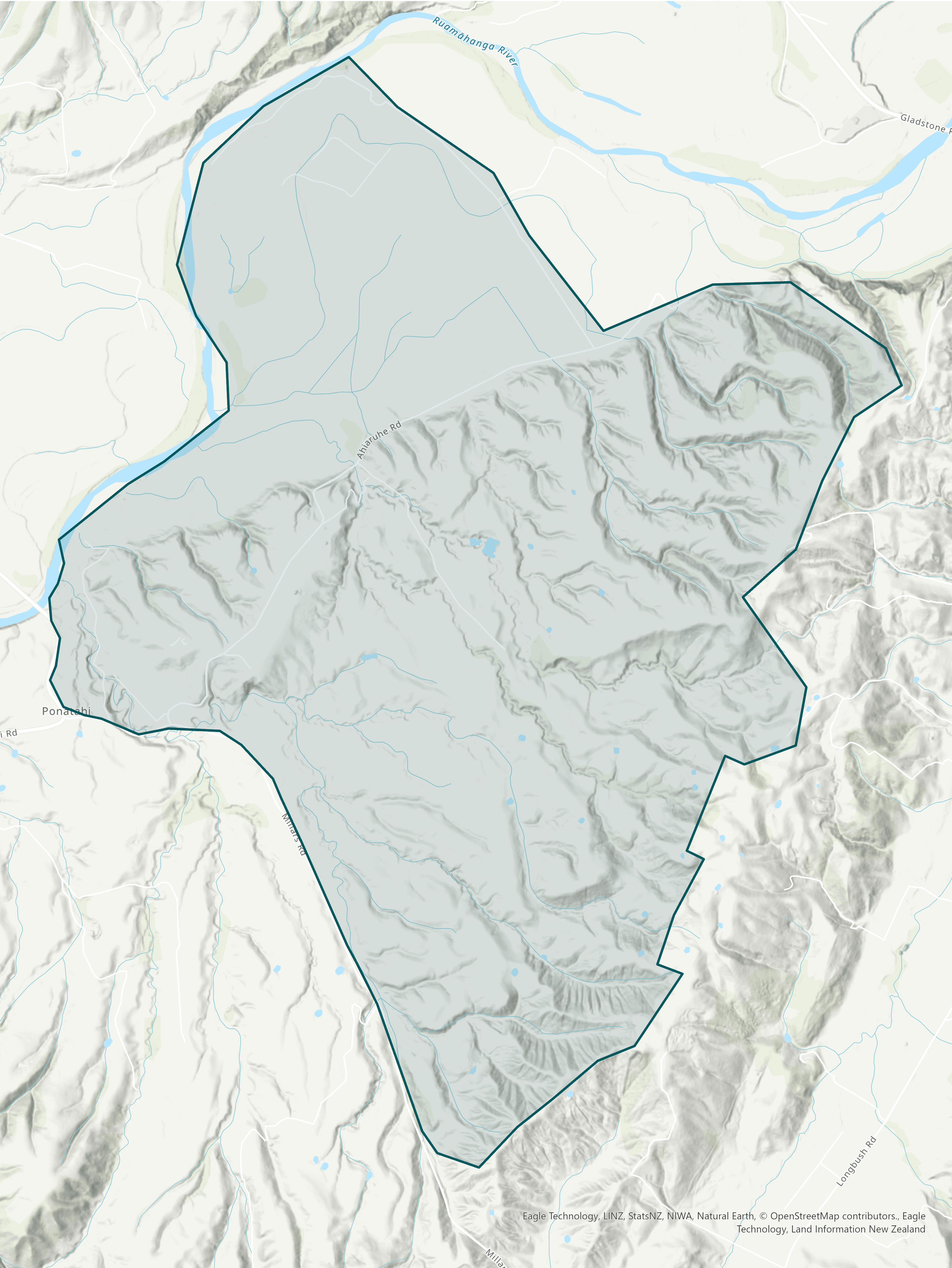
Located in the Ahiaruhe area of the Carterton District, the catchment borders the Ruamāhanga River, includes most of the water catchmentment of the Ahiaruhe Creek, and includes a mix of sheep and beef farming, cropping and finishing properties, alongside a growing number of lifestyle blocks.
The area has a strong rural community identity and a long history of people working together. Native bush remnants, QEII covenants and waterways are important features of the landscape, alongside productive farmland that supports local livelihoods. Like many Wairarapa catchments, the community is balancing the pressures of climate change, water quality, erosion and pest management while protecting the values that make the area special.
Vision
The group was formed to help engage landowners in developing and maintaining a long-term vision for community, land, water and environmental care for current and future generations.
Their vision is:
“A catchment that is rich in biodiversity and has a sustainable and diverse water environment that benefits people, the natural environment and the economy of the local area.”
The group places a strong emphasis on collaboration, practical action and sharing knowledge, skills and resources across the catchment.
Goals
Build a resilient and connected rural community
Improve biodiversity and support native flora and fauna
Enhance the health of waterways and critical source areas
Reduce animal and plant pests through collective action
Support practical, locally-led environmental restoration
Encourage knowledge sharing, participation and long-term stewardship across the catchment
Projects
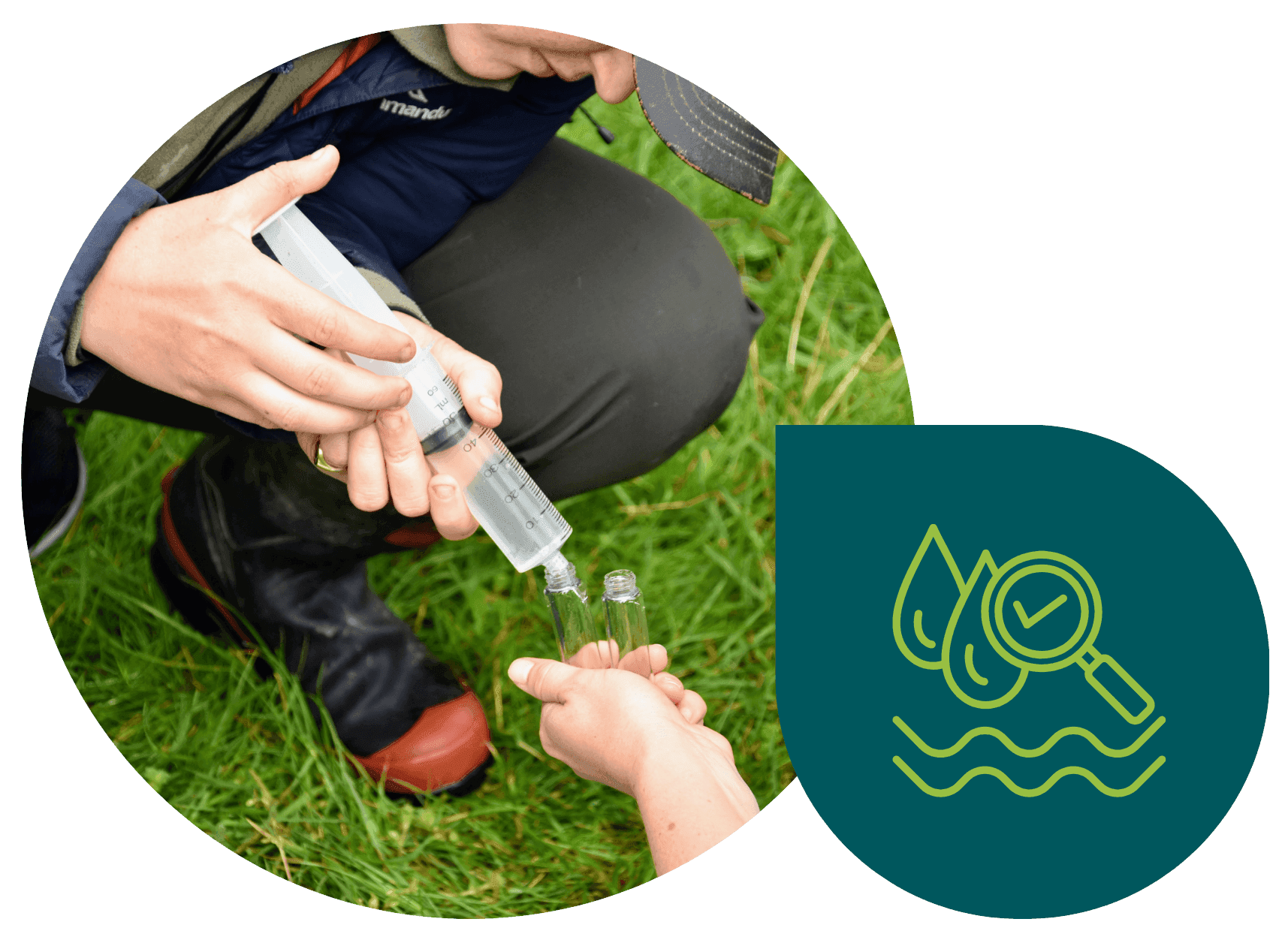
Water quality monitoring
The group has identified sediment and E. coli as key water quality concerns within the Ruamāhanga catchment. Members are working together to better understand critical source areas, retire high-risk land from grazing and improve riparian planting outcomes.
The catchment group has also worked with Greater Wellington Regional Council to access local catchment data, support mapping exercises and develop a shared understanding of where restoration efforts can have the greatest impact.
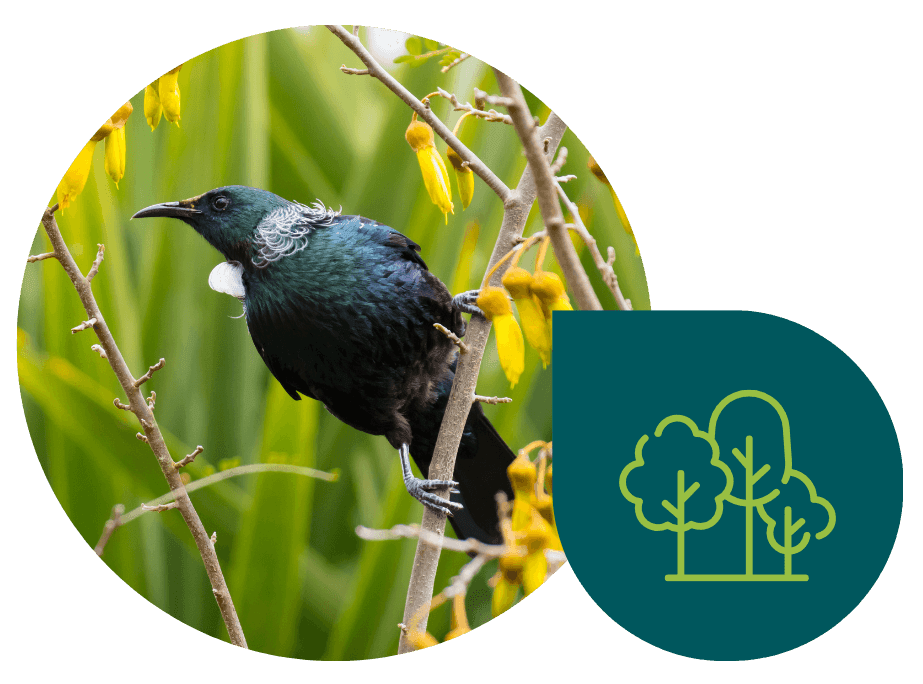
Enhancing biodiversity
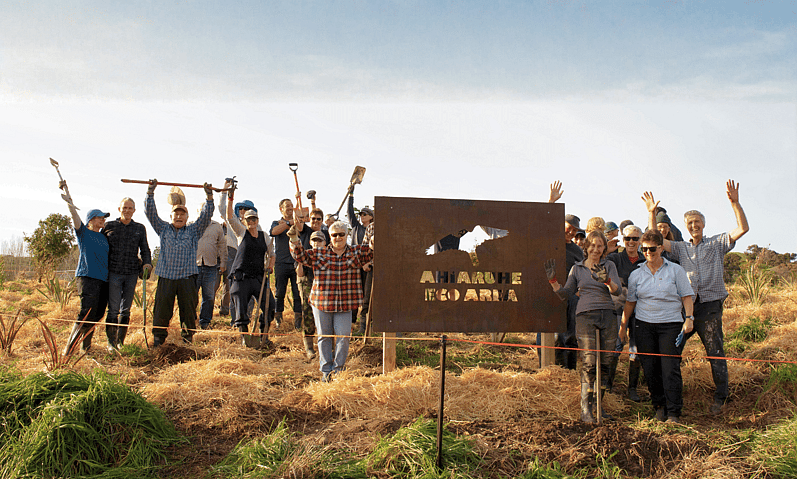
Community planting projects have been a major focus since the group formed. Roadside planting at the entrance to Ahiaruhe Road became an early project that helped make the group visible and bring people together through hands-on action.
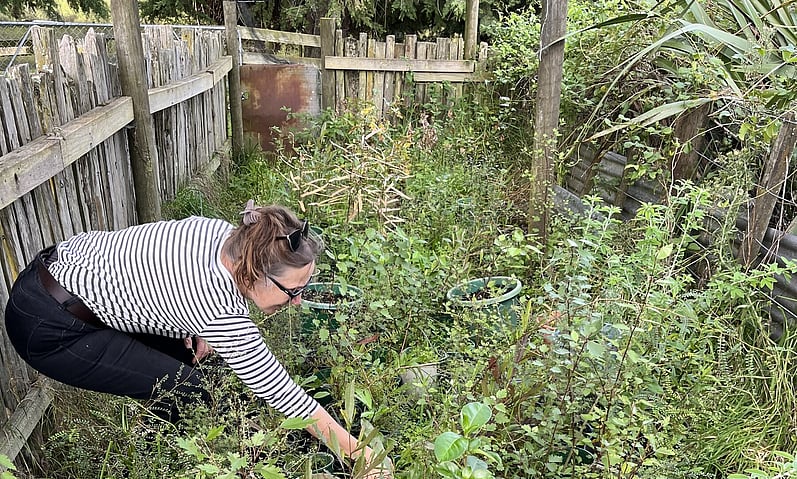
The group continues to support native planting, local seedling propagation, QEII covenant restoration and connecting planting corridors across the catchment. Seedling and soil swap events have become important social and environmental initiatives that encourage wider participation and knowledge sharing within the community.
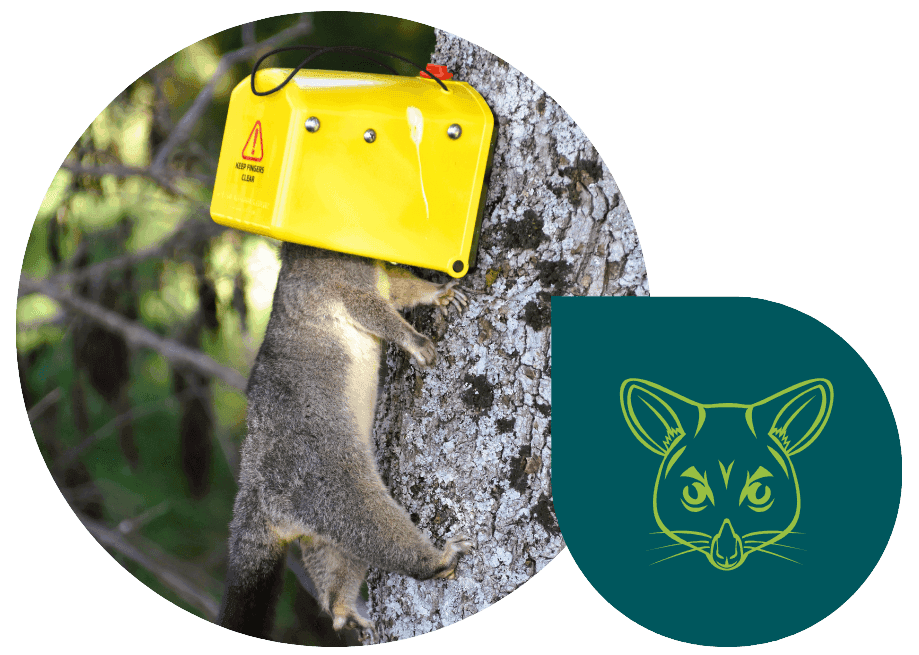
Pest control
Pest management has become one of the group’s most visible and engaging projects. Members have established a shared pest control “library” containing traps, monitoring equipment and pest plant resources available for catchment landowners to use.
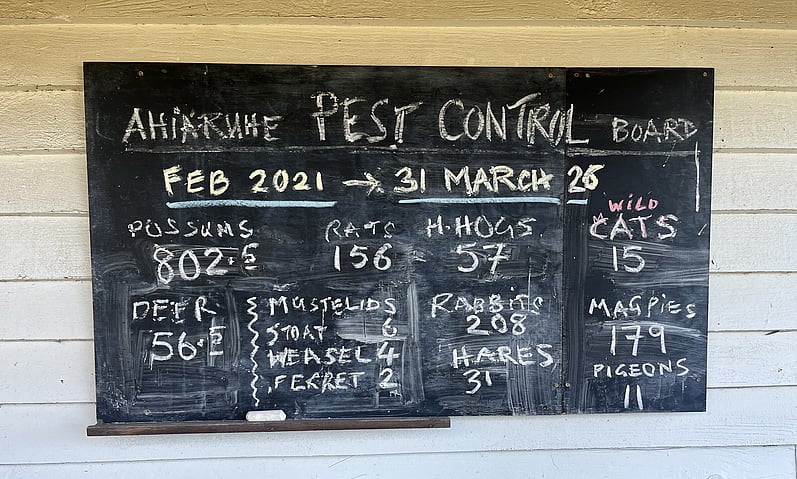
Quarterly trapping results are shared publicly on a community blackboard, helping keep people informed, motivated and connected. The group has also undertaken pest control workshops, deer monitoring initiatives and pest plant identification walkabouts to build local capability and participation.
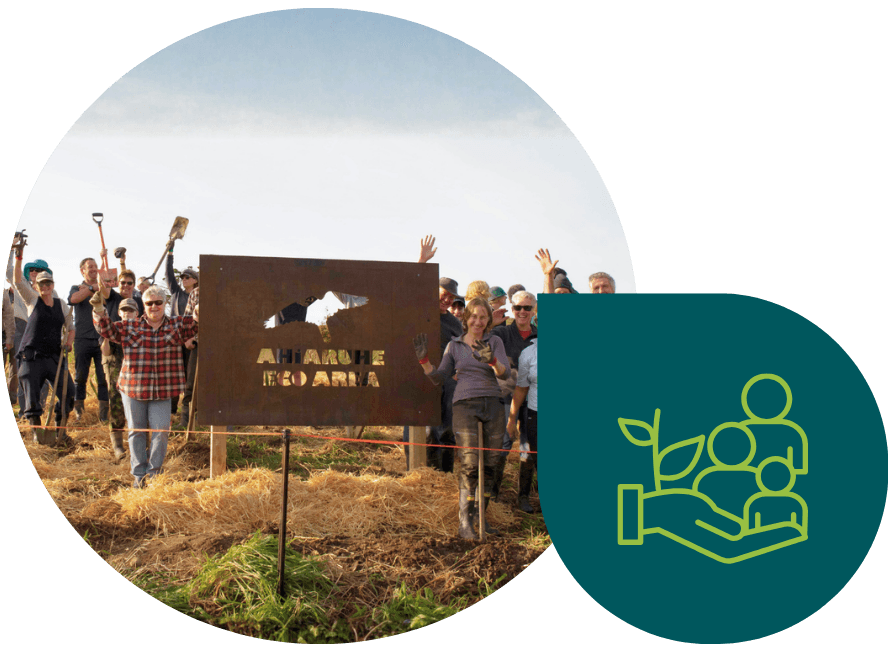
Community connection & resilience
A strong social element sits at the heart of the group’s success. Planting days, workshops, shared projects and informal gatherings have helped build trust, maintain momentum and encourage new people to get involved.
The group describes itself as a collaborative “gathering of the willing,” with a focus on recognising different contributions and creating opportunities for everyone to participate.
Project Highlights
Establishment of a catchment-wide pest control library
Community roadside planting project at the entrance to Ahiaruhe Road
Catchment planting and seedling swap events
Collaborative work around critical source area retirement and restoration
Development of a living catchment action plan
Strong community participation and succession planning within the group
Catchment Group Coordinator
Seán Kerins
ahiaruheecoarea@gmail.com