Rangitūmau Community
Catchment Group
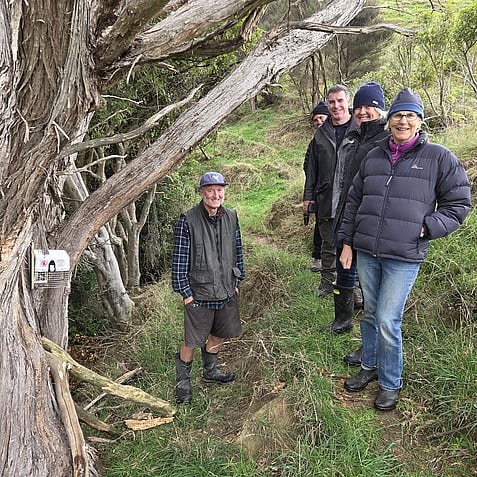
The Rangitūmau Community Catchment Group is a community-led initiative made up of locals working together to enhance the health and resilience of the Rangitumau catchment. Through collaboration, innovation, and a shared vision for sustainability, the group is actively restoring biodiversity, improving water quality, and supporting land stewardship across the catchment.
Location
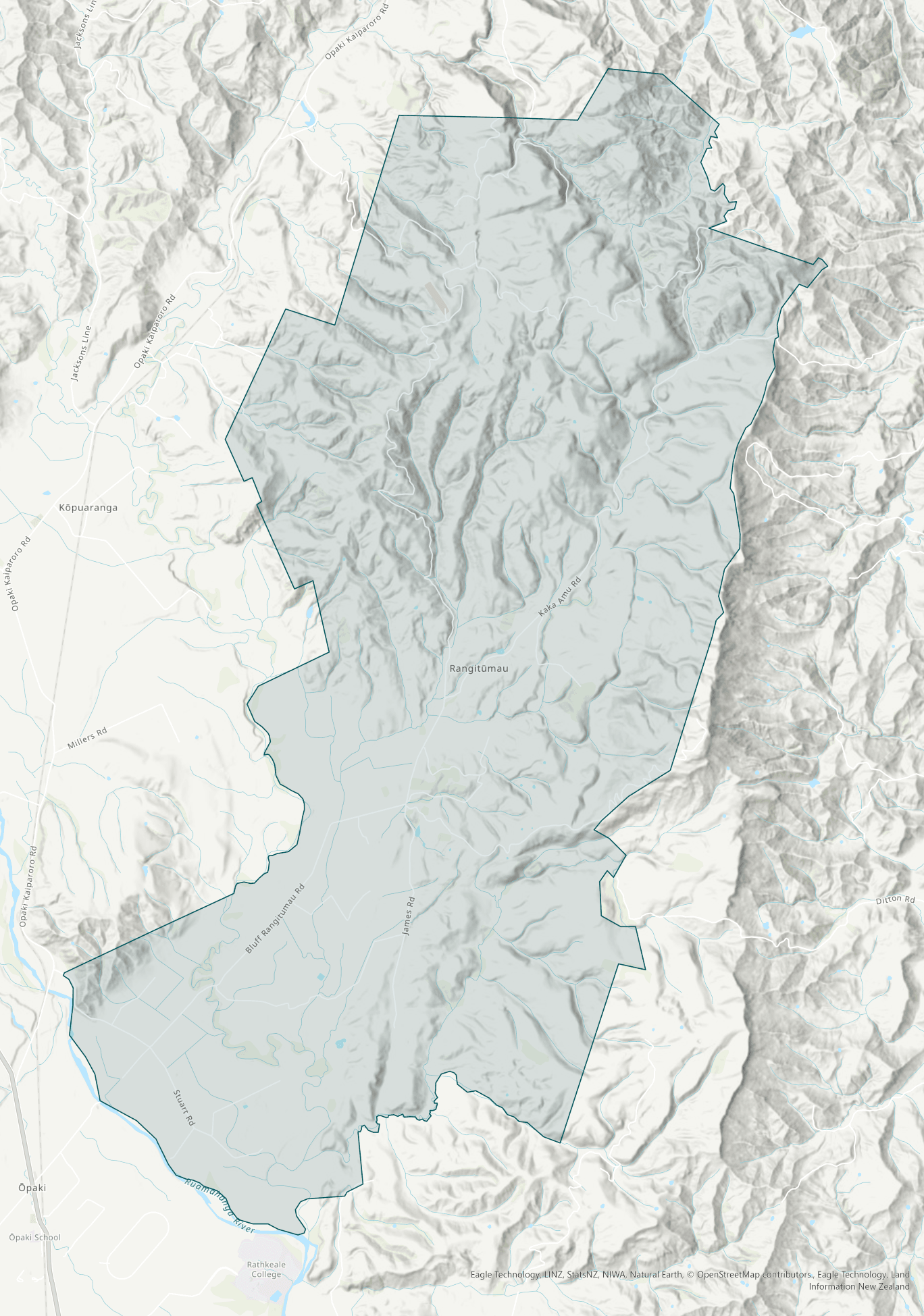
The Rangitūmau catchment spans limestone hills and valleys in northern Wairarapa, covering 4,280 hectares across the Rangitūmau and Waitapu Stream sub-catchments.
It includes sheep and beef farms (69%), dairy farms (17%), and lifestyle blocks (6%).
The area is rich in Māori history, with significant sites such as Kaikuta Pā and Te Rangitūmau.
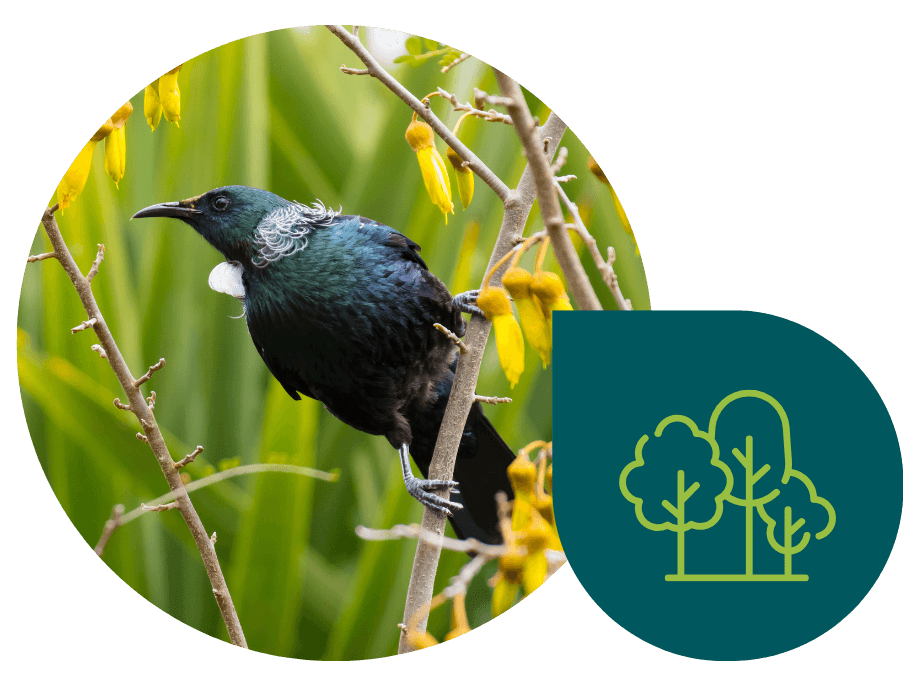
Historically cloaked in native podocarp forest, the catchment once supported abundant birdlife including kākāpō and kākā.
Vision
To create a sustainable and thriving community that coexists harmoniously with a vibrant ecosystem. The group envisions swimmable streams, resilient farms, and a mosaic of native corridors that support biodiversity and community wellbeing.
Mission
To leave a legacy of a healthier and more sustainable environment for future generations by enabling farmers and communities to embrace sustainability through innovation and smart regulation.
Goals
Improve water quality monitoring
Increase native planting and riparian restoration
Build community engagement and capacity
Establish native biodiversity corridors
Achieve pest-free status across the catchment
Balance economic viability with environmental stewardship
Projects
Water quality monitoring
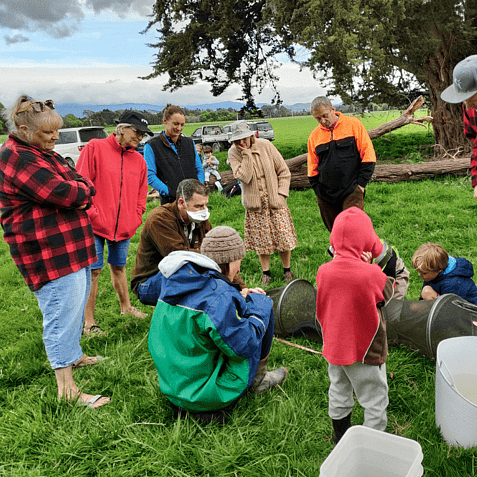
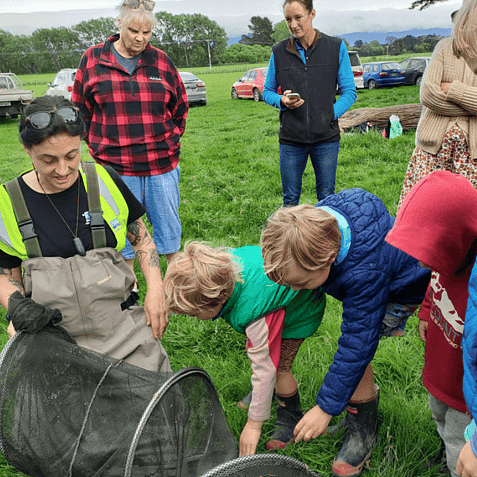
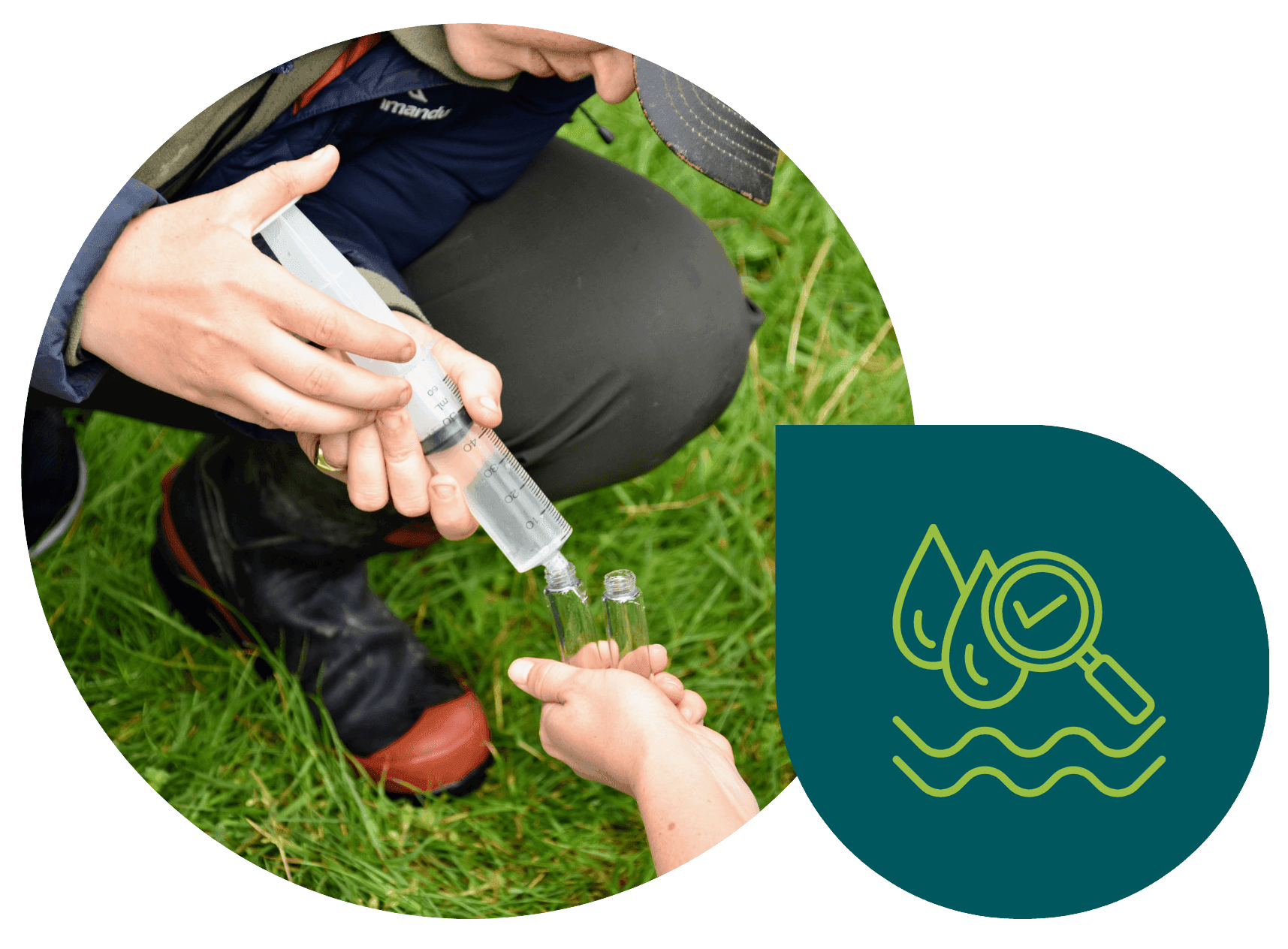
Six stream sites have been monitored across the catchment, with sampling conducted across different flow conditions.
The group aims to develop a long-term water quality monitoring plan and track improvements over time.
Enhancing biodiversity
Efforts include:
Riparian planting along waterways
Restoration of native forest remnants
Creation of biodiversity corridors
Pest control
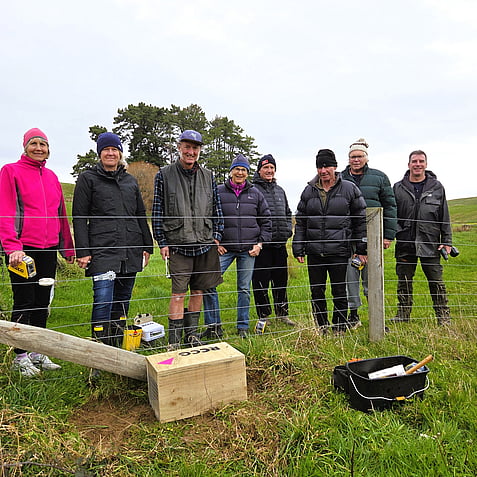
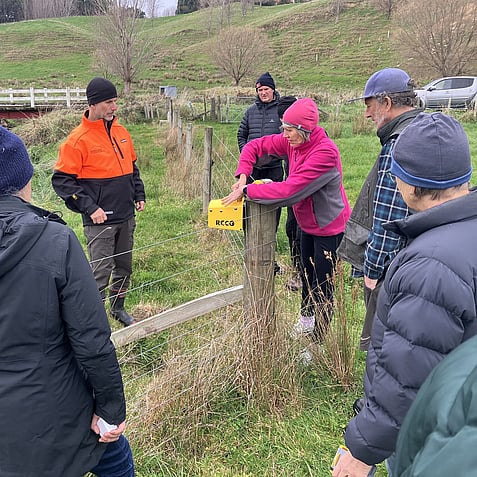
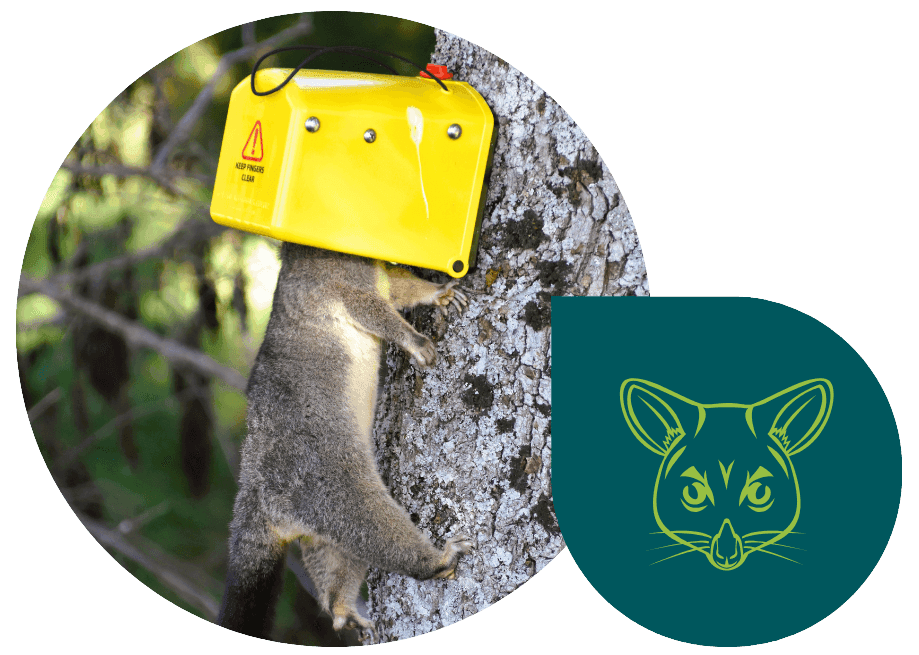
The catchment group is working toward a pest-free environment to support native species recovery. This includes coordinated trapping and monitoring using TrapNZ.
Community engagement
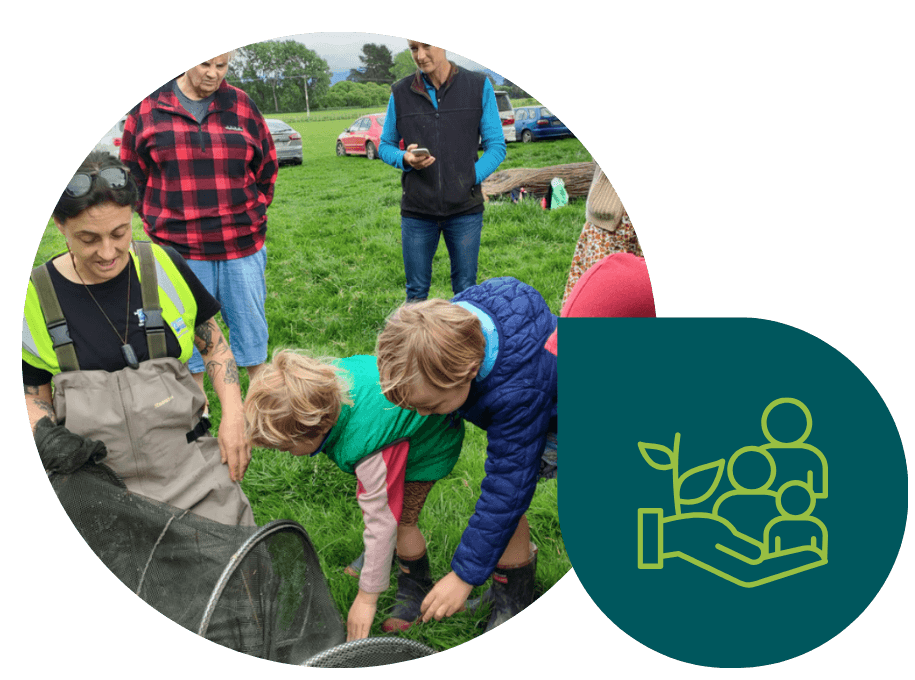
Building relationships with local landowners, iwi, and stakeholders to foster collective action.
Cultural heritage protection: Recognising and preserving significant Māori sites such as Kaikuta Pā and Te Rangitumau ridge.
Catchment Group Coordinator
SIMON MILLER
taipari@gmail.com